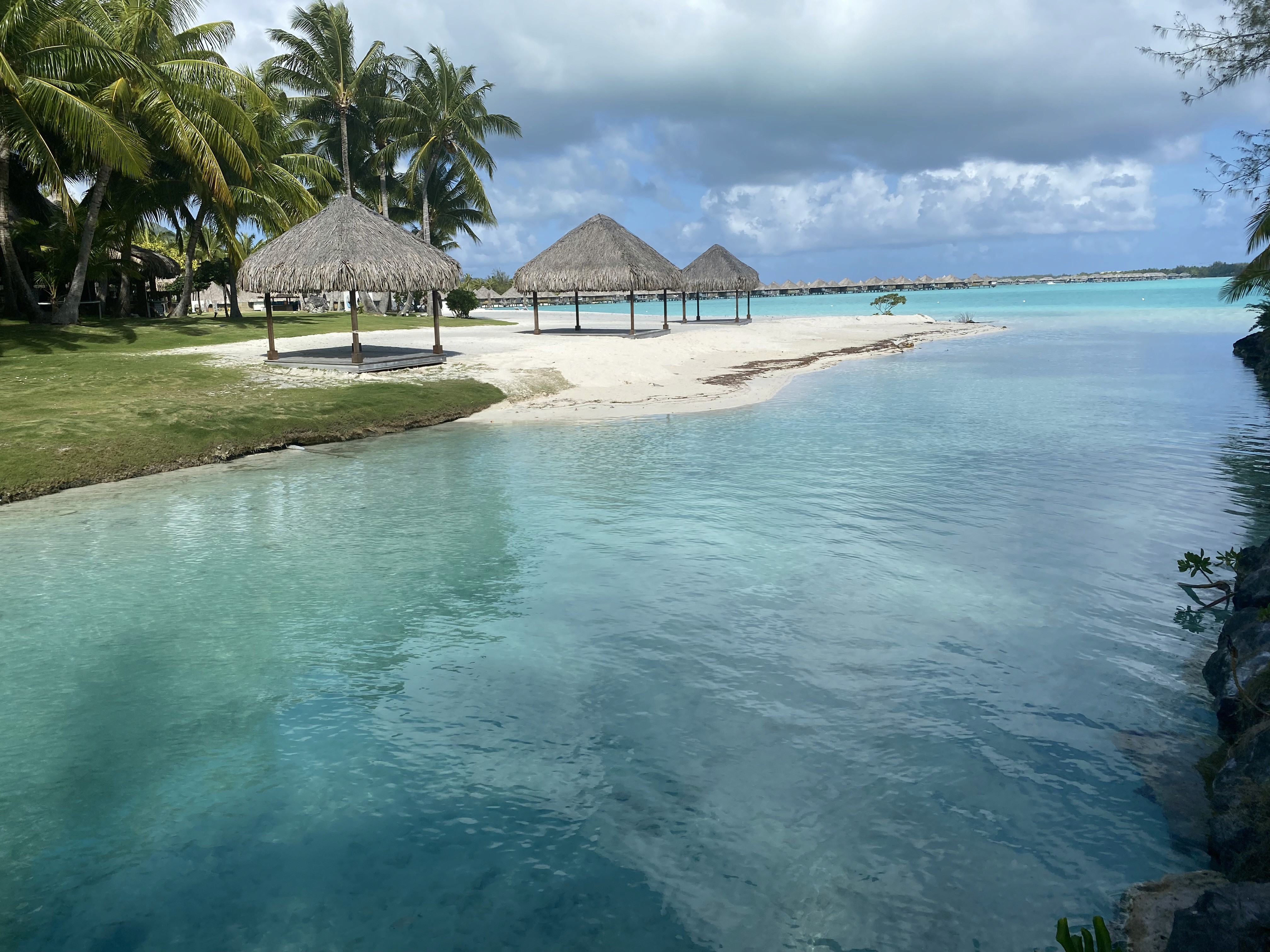
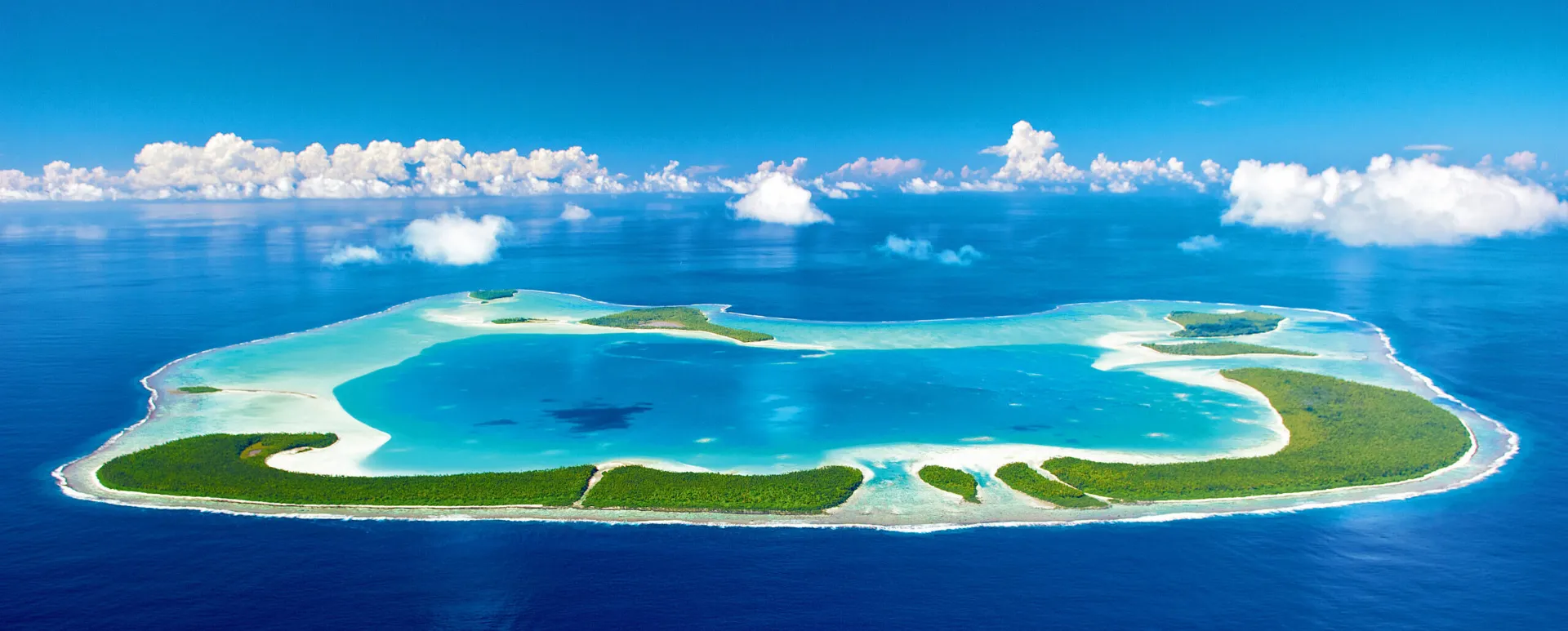
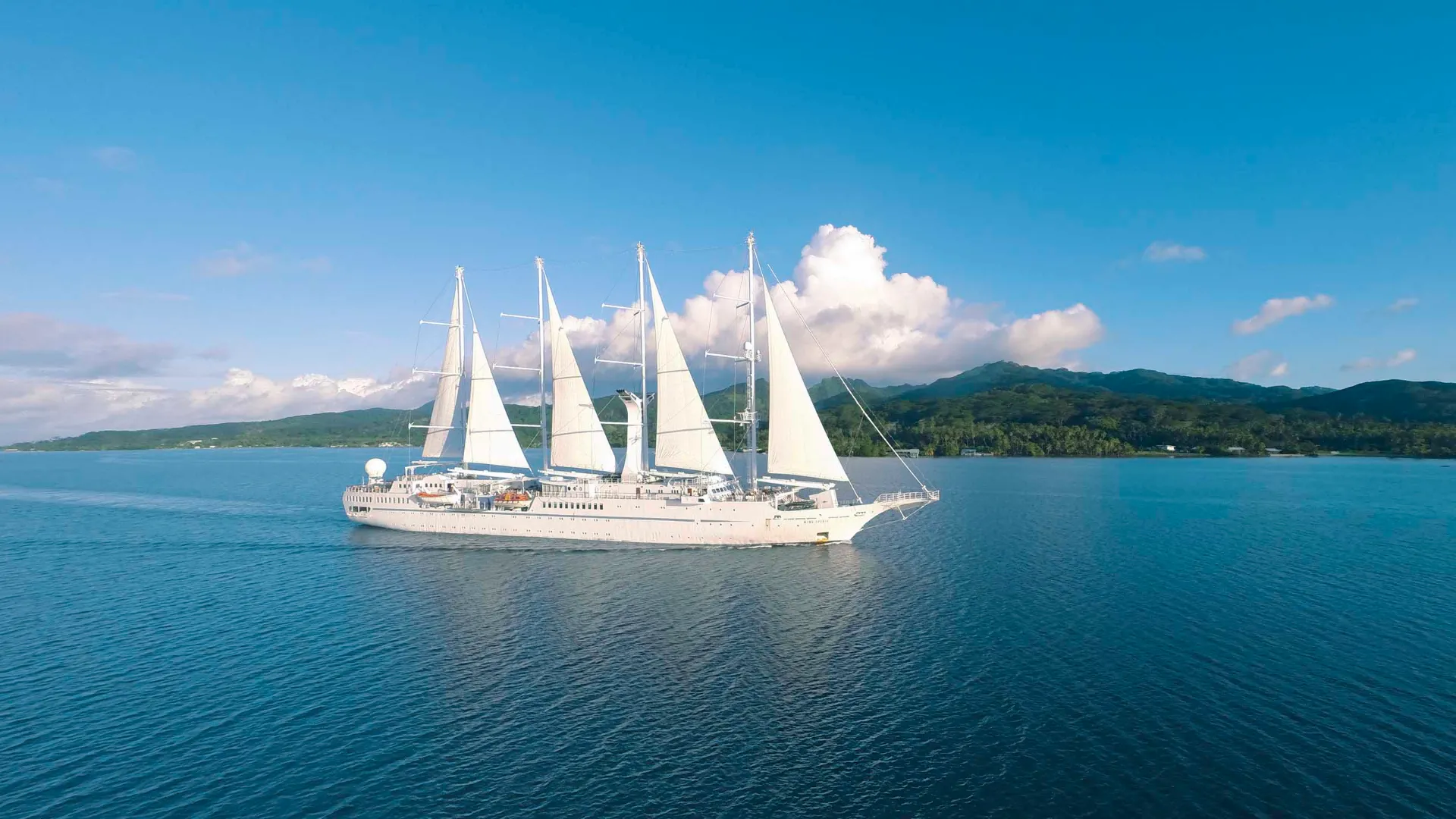
Tahiti's commitment to sustainability is defined by groundbreaking technology and a return to ancestral stewardship. Leading the world in eco-luxury, resorts like The Brando have achieved near carbon neutrality through the use of Sea Water Air Conditioning (SWAC) and solar power. Across the islands, properties are actively restoring marine life through "Biorock" coral nurseries and eliminating single-use plastics, ensuring that the fragile ecosystems of the lagoons remain vibrant for future travelers.
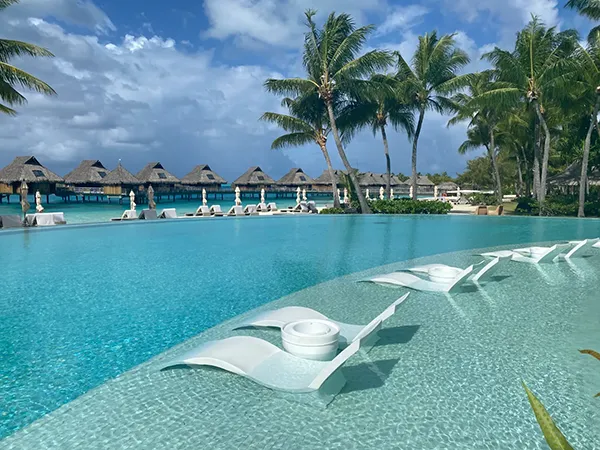
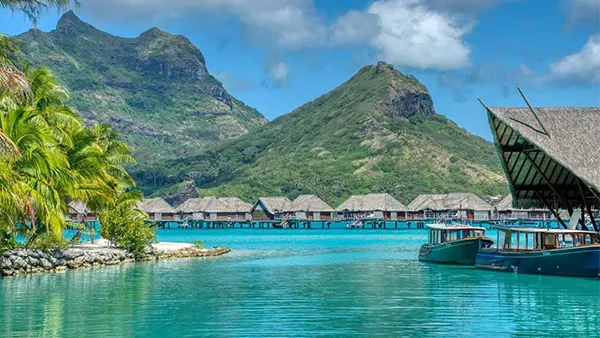
Among the resorts in Tahiti, the Intercontinental Thalasso in Bora Bora is notable for its dedication to sustainability. From eco-friendly design to community engagement, the resort has integrated sustainable practices into every aspect of its operations, ensuring minimal environmental impact while providing a luxurious experience for its guests.

Eco-Friendly Design
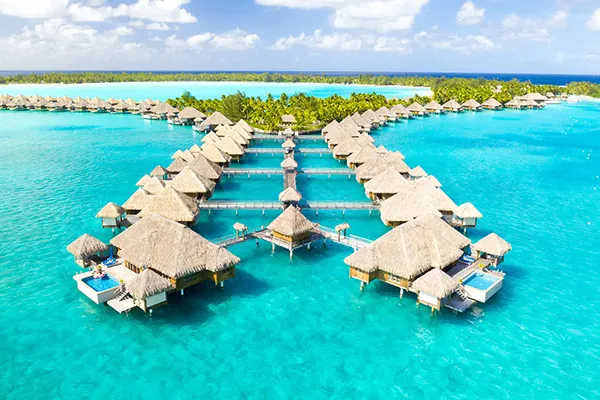
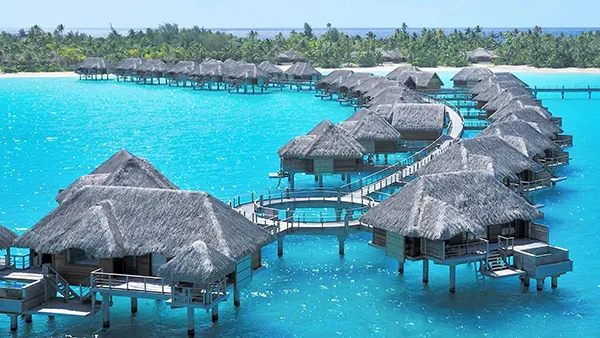
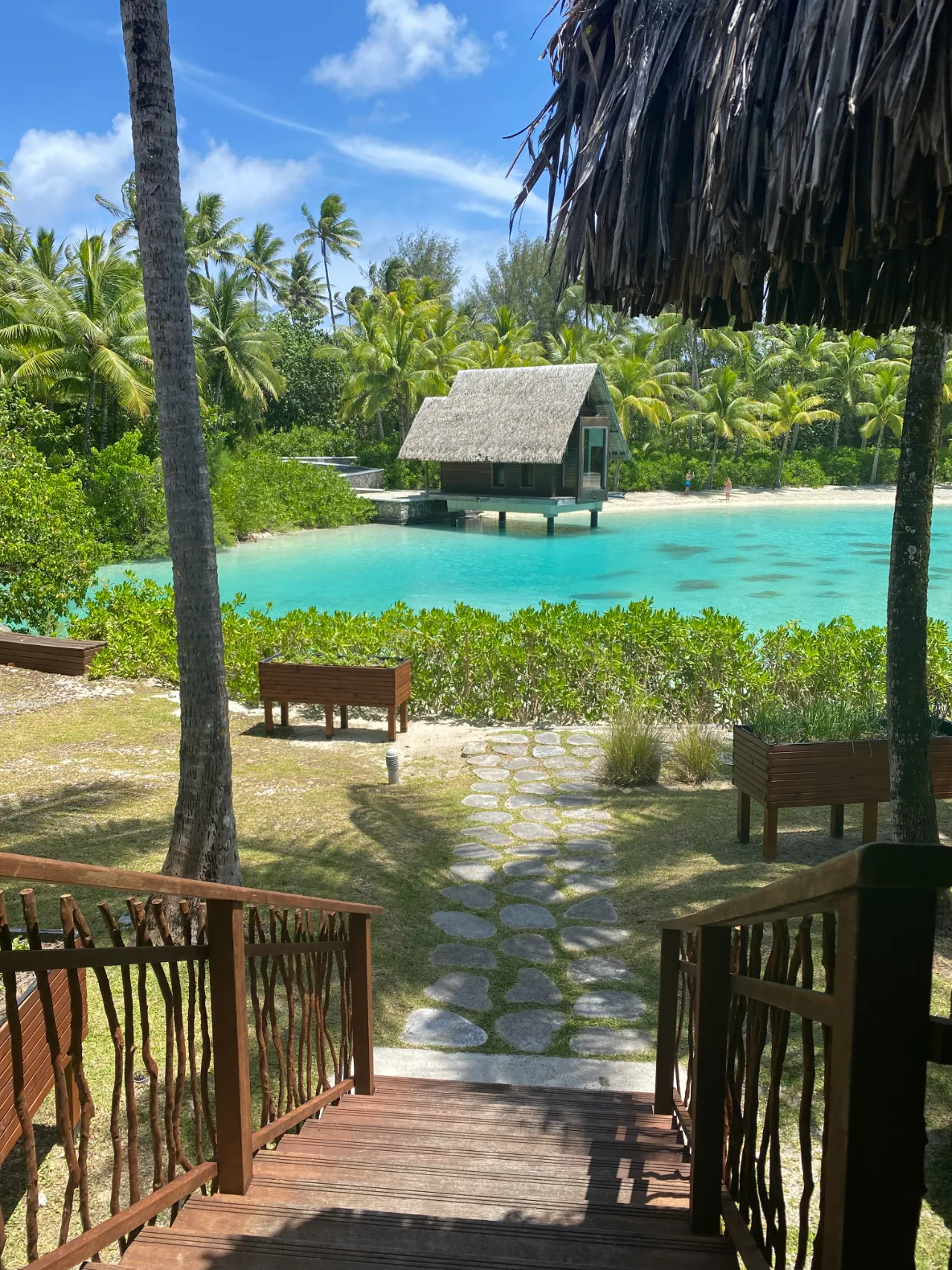
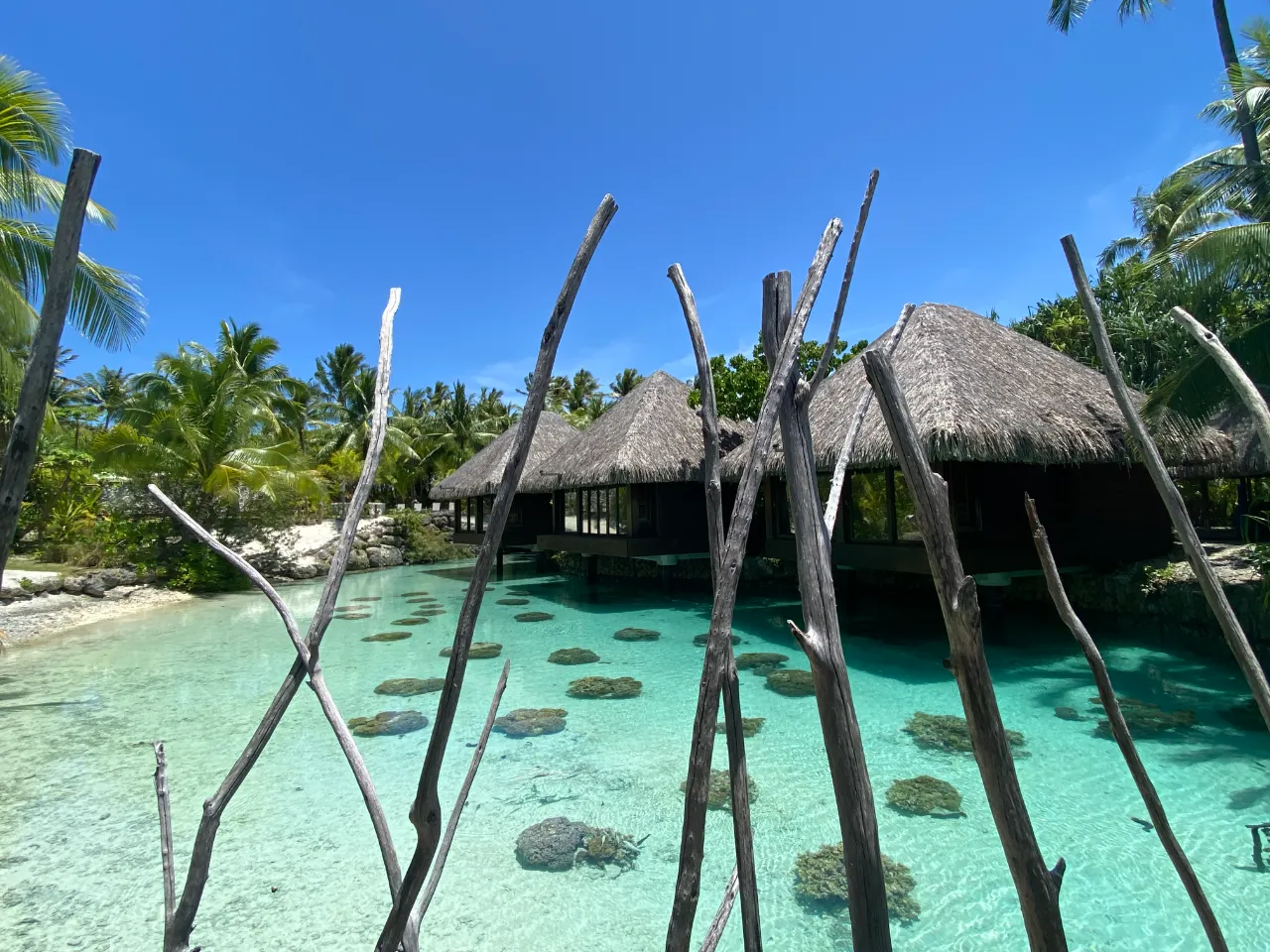
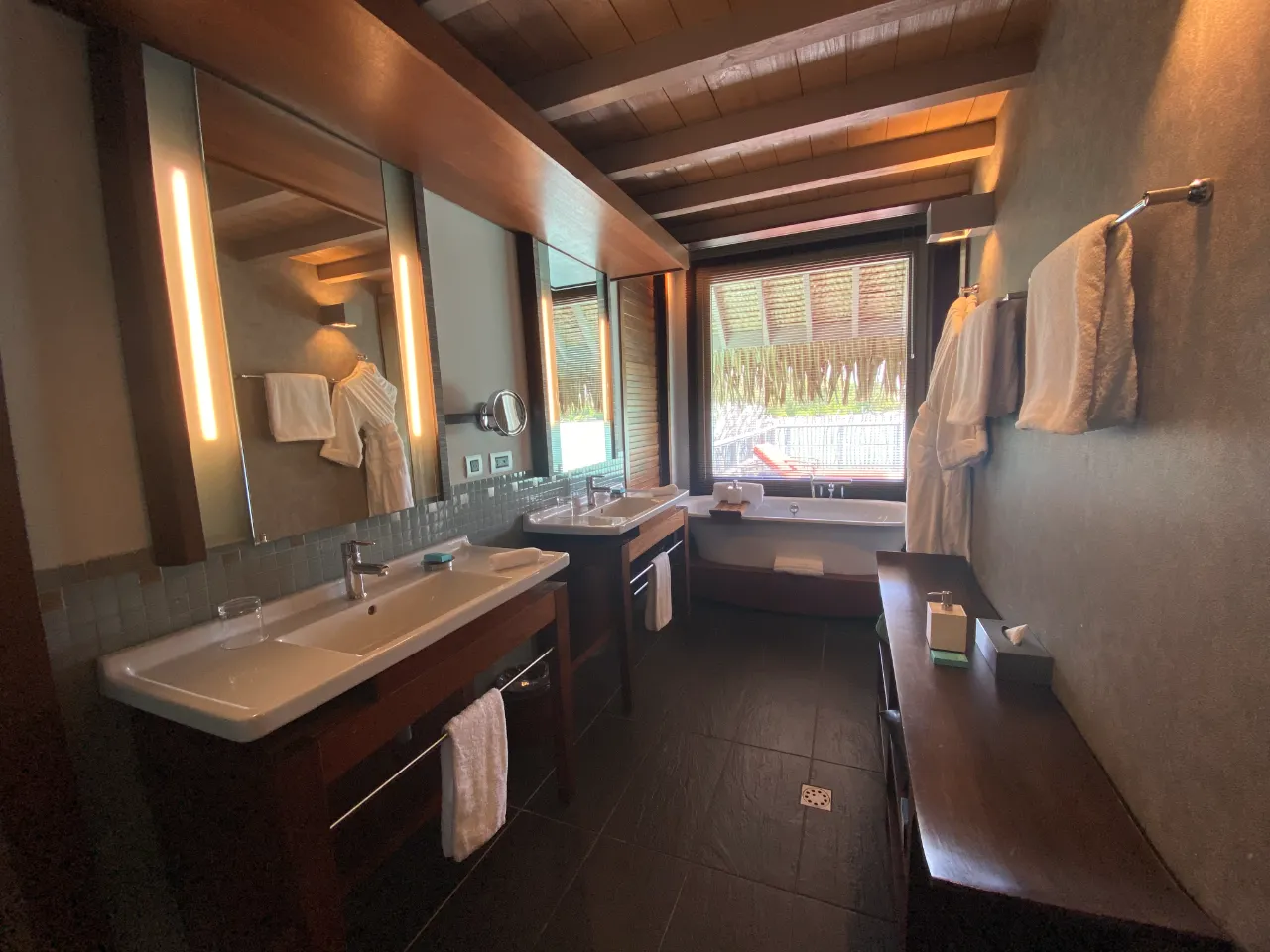
The resort was designed with sustainability at the forefront. The overwater villas are constructed using eco-friendly materials and incorporate energy-efficient features like solar panels and rainwater harvesting systems. The architecture blends with Bora Bora’s natural beauty, preserving its landscape for future generations.


Conservation Efforts
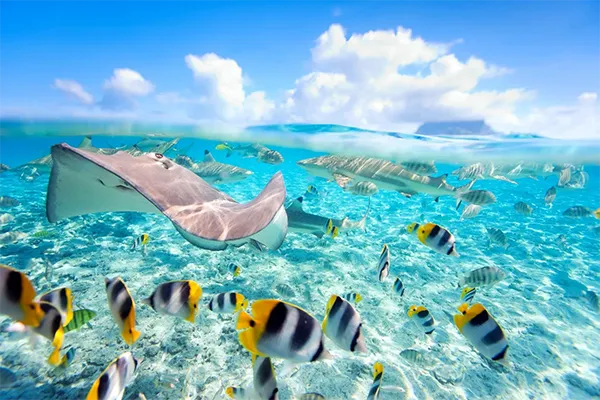
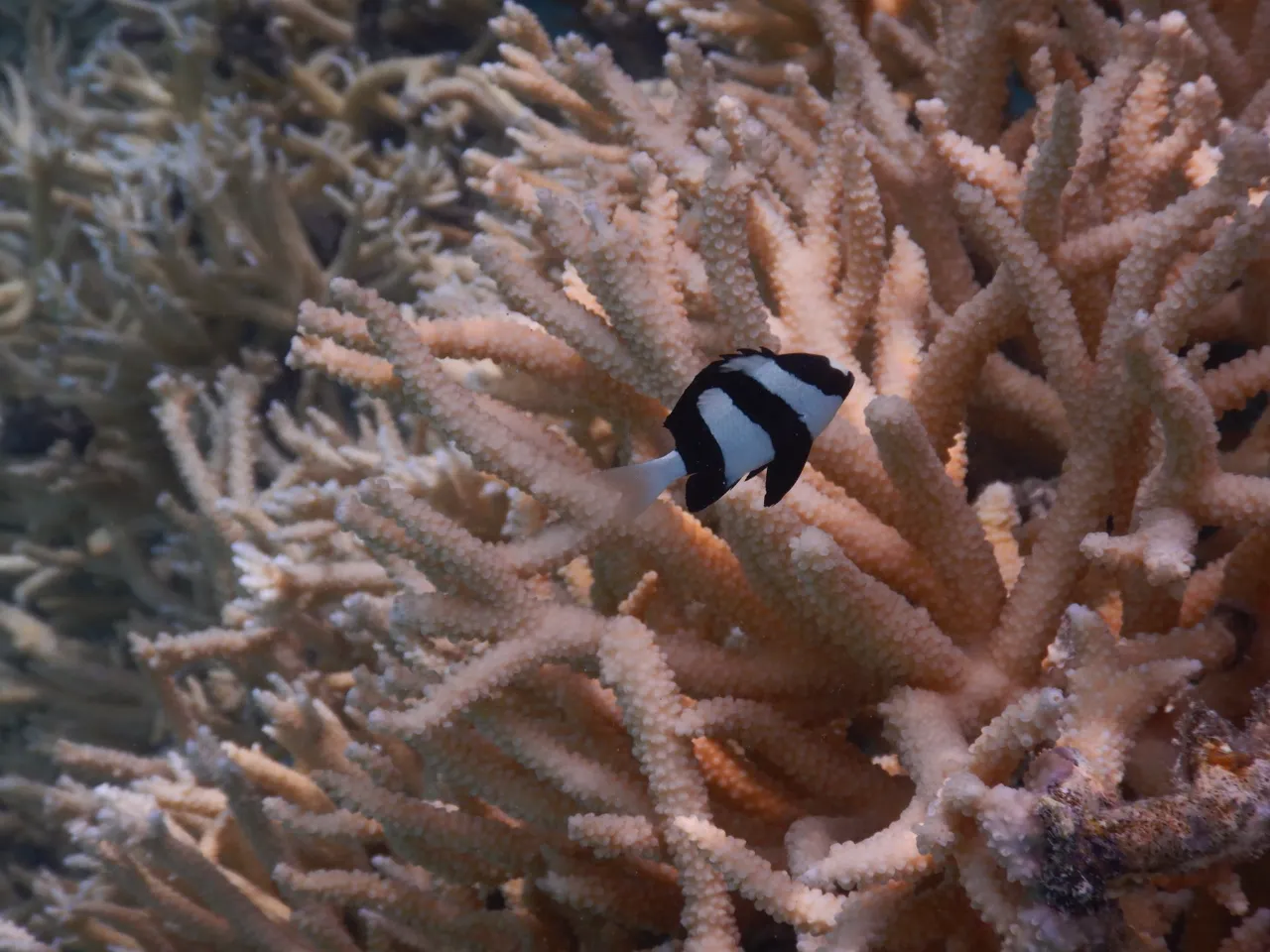
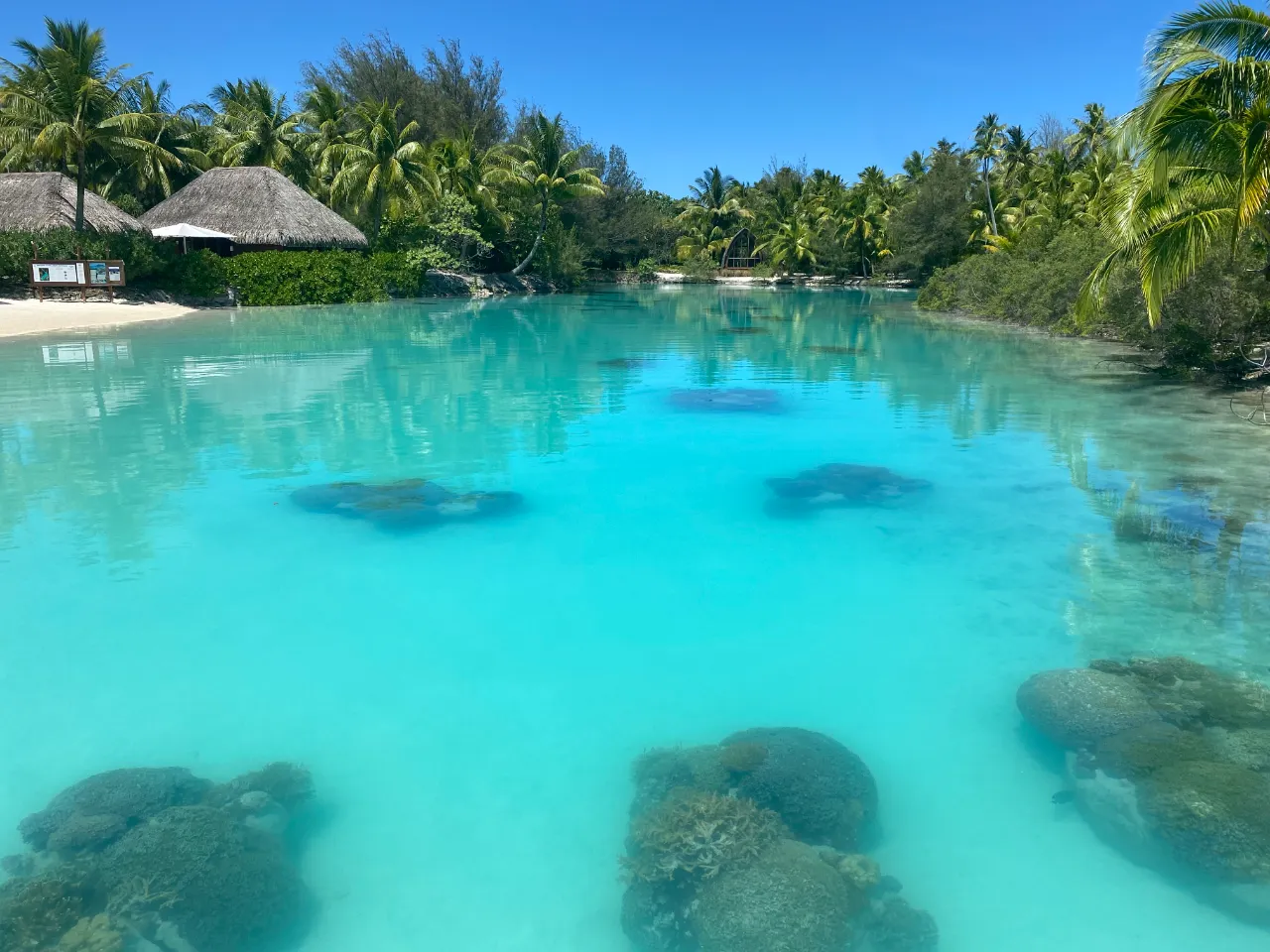
Intercontinental Thalasso is actively engaged in coral reef conservation. Through partnerships with marine organizations, the resort helps protect and restore Bora Bora's fragile marine ecosystems. Guests can participate in coral planting activities, making their stay an educational and impactful experience.

Responsible Dining
Dining at the resort is centered around sustainability. The restaurants use locally sourced ingredients, such as fresh seafood from sustainable fishing practices. The culinary team also prioritizes reducing food waste and incorporating eco-friendly methods into food preparation and service.



Energy Efficiency
Intercontinental Thalasso is dedicated to reducing its energy consumption. By utilizing energy-efficient technologies like LED lighting, motion sensors, and energy-efficient appliances, the resort minimizes its carbon footprint while maintaining a high level of luxury for its guests.

Waste Management
The resort has implemented a comprehensive waste management system. Guests are encouraged to recycle, and the resort provides recycling bins and reusable water bottles to minimize waste. Single-use plastics are reduced wherever possible.


Community Engagement
Intercontinental Thalasso also engages in community projects that support local culture and businesses. Collaborating with local artisans, the resort promotes traditional crafts while providing economic opportunities to the surrounding communities, creating a strong connection between the resort and the local population.
A Holistic Approach to Sustainability
Intercontinental Thalasso's commitment to sustainability extends beyond eco-friendly practices. The resort engages guests in its efforts to preserve Bora Bora’s natural beauty while supporting the local community. Though all resorts in Tahiti have sustainability initiatives, Intercontinental Thalasso stands out for its comprehensive approach and dedication to both environmental conservation and cultural preservation.


A Holistic Approach to Sustainability
Intercontinental Thalasso's commitment to sustainability extends beyond eco-friendly practices. The resort engages guests in its efforts to preserve Bora Bora’s natural beauty while supporting the local community. Though all resorts in Tahiti have sustainability initiatives, Intercontinental Thalasso stands out for its comprehensive approach and dedication to both environmental conservation and cultural preservation.
Frequently Asked Questions
1. How seriously does Tahiti take sustainability?
Tahiti's commitment to sustainability is defined by groundbreaking technology and a return to ancestral stewardship. Leading the world in eco-luxury, resorts like The Brando have achieved near carbon neutrality through the use of Sea Water Air Conditioning (SWAC) and solar power.
2. How are the resorts designed with the environment in mind?
The resort was designed with sustainability at the forefront. The overwater villas are constructed using eco-friendly materials and incorporate energy-efficient features like solar panels and rainwater harvesting systems. The architecture blends with Bora Bora’s natural beauty, preserving its landscape for future generations.
3. What conservation work is happening?
Intercontinental Thalasso is actively engaged in coral reef conservation. Through partnerships with marine organizations, the resort helps protect and restore Bora Bora's fragile marine ecosystems. Guests can participate in coral planting activities, making their stay an educational and impactful experience.
4. What does responsible dining look like there?
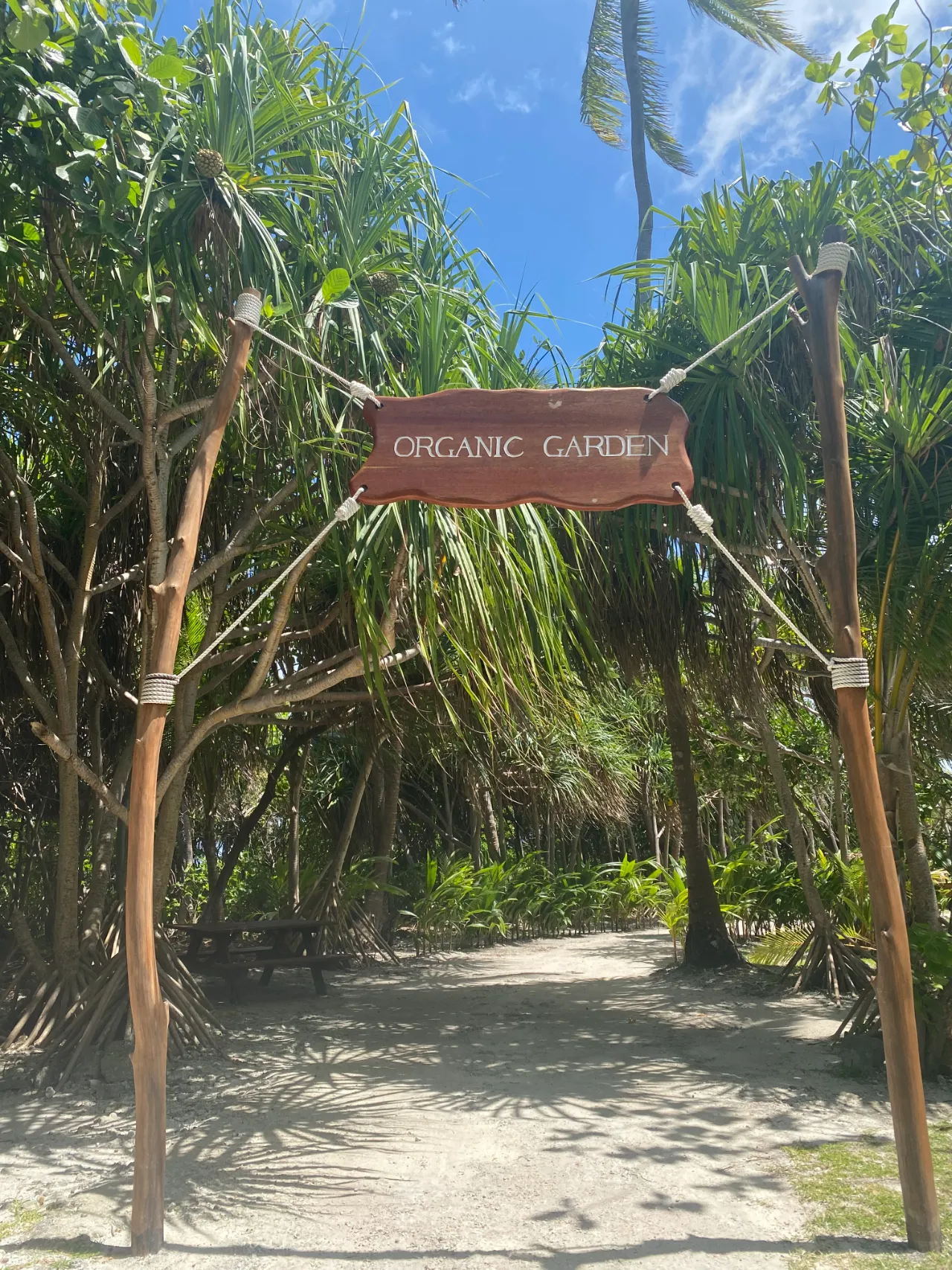
Dining at the resort is centered around sustainability. The restaurants use locally sourced ingredients, such as fresh seafood from sustainable fishing practices. The culinary team also prioritizes reducing food waste and incorporating eco-friendly methods into food preparation and service.
5. How do the resorts manage energy use?
Intercontinental Thalasso is dedicated to reducing its energy consumption. By utilizing energy-efficient technologies like LED lighting, motion sensors, and energy-efficient appliances, the resort minimizes its carbon footprint while maintaining a high level of luxury for its guests.

Csilla Dali
Founder & Lead Travel Advisor
Itineraries to consider
Are You Planning Your Next Vacation?
Check out our top recommendations!